A well-lit home has a method of altering how a home really feels long in the past anybody reaches the front door. The right outside illumination can sharpen architectural lines, soften dark edges, and make a home appearance looked after without promoting the components themselves. That is why extra property owners are looking beyond short-lived hairs and seasonal arrangements and purchasing Permanent LED Lighting Setup that functions every evening of the year.
What attracts lots of people in is not the vacation angle, a minimum of not initially. It is the assurance of control, uniformity, and restraint. You can have a home that glows delicately on a regular Tuesday in February, changes to a welcoming pattern for a yard dinner in June, and turns festive in December without climbing up a ladder as soon as. When the system is developed well, it does not howl for interest. It just makes your house appearance better.

That difference issues. There is a big difference in between lighting that enhances and lighting that boosts. Long-term systems can do both, yet the most effective projects begin with the 2nd goal.
Why subtle lighting is tougher than it looks
The expression "subtle exterior illumination" seems simple until you attempt to accomplish it. The majority of homeowners have actually seen the opposite done badly: harsh determines under every eave, dissimilar colors, hotspots over garage doors, and enough illumination to make a home look squashed as opposed to dimensional. Outside illumination is easy to overdo because LEDs are effective, small, and intense. Too brilliant, in several cases.
The most effective installations often tend to obtain from landscape lighting concepts. Instead of asking, "Just how much light can we add?" The far better concern is, "What should the eye notification night?" On a craftsman-style residence, that may be the roofline and entry columns. On a modern home, maybe the clean geometry along the fascia and soffits. On a block colonial, the target is frequently a cozy border that protects the home's balance as opposed to transforming each building component into its own little spotlight.
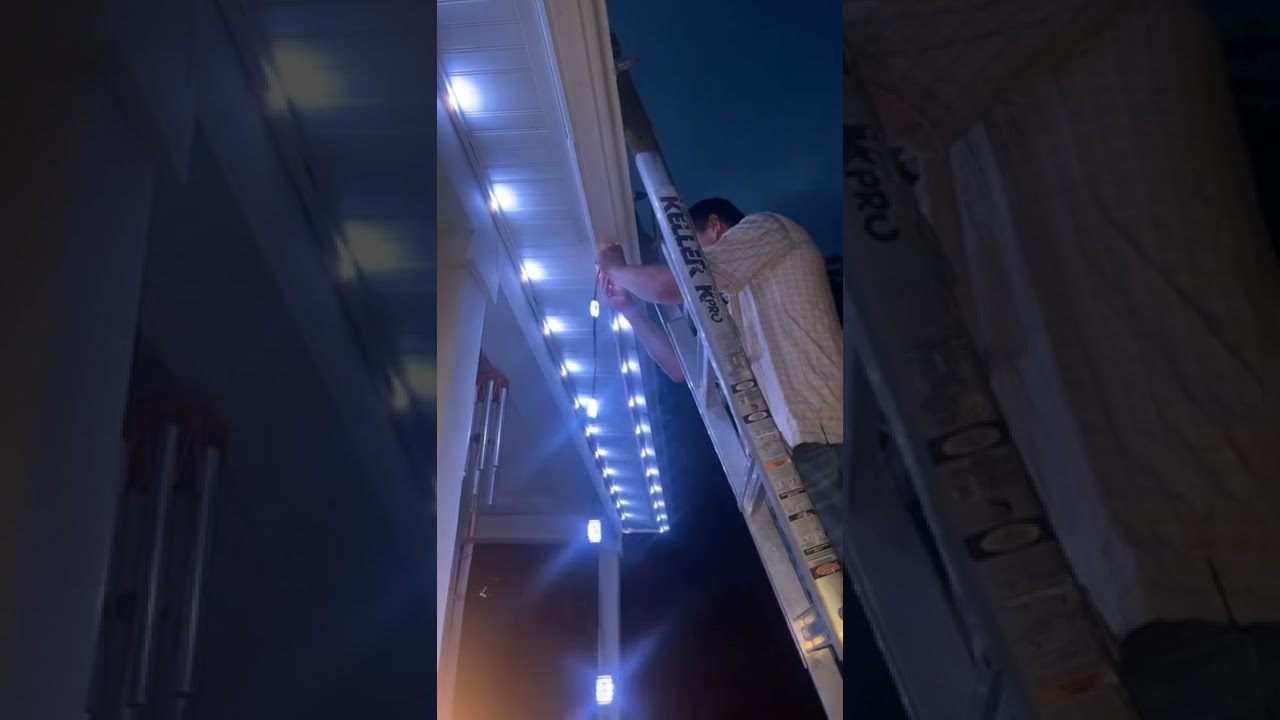
This is where Permanent Holiday Lights have actually matured in a valuable means. Early systems often leaned greatly into color-changing uniqueness. Newer, better systems can absolutely do animated holiday scenes, but they also provide refined white tones, lowering control, zoning, and organizing that make them viable as everyday building lights. For lots of homes, the most-used setup is not red and green in December. It is a low-output, cozy white setup at 20 to 40 percent illumination for the various other eleven months.
I have actually seen property owners wait since they picture an irreversible system as visually noticeable in daylight. That worry is valid, and it ought to be resolved prior to anything is set up. The best installations disappear. Track color should very closely match the soffit or fascia. Cable runs must be hidden. Component spacing should follow the roofline easily instead of requiring uncomfortable voids. If you can stand at the aesthetic at twelve noon and barely observe the system, that is typically a great sign.
The case for irreversible over temporary
Anyone who has mounted standard vacation lights greater than two times knows the regular. Untangling cords in the garage. Replacing dead bulbs. Battling clips that break in the cold. Looking at a high roofline while pretending the ladder angle is safe sufficient. After that doing the whole thing once again in reverse a couple of weeks later.
Permanent systems address that evident migraine, yet benefit is just one component of the tale. The bigger benefit is integrity combined with layout adaptability. Once the lights are installed and set, your house gets a lights layer that can be used for holidays, occasions, game days, events, safety and security, and day-to-day aesthetic charm. That means one investment offers several objectives as opposed to sitting idle a lot of the year.
There is additionally a cost conversation worth having honestly. A Permanent LED Lighting Installation is not cheap compared with buying a few boxes of short-lived lights at a big-box store. Depending upon the size of the house, roof complexity, control system, accessibility, and whether the project includes garage lines, tops, gables, and rear elevations, prices can range from a few thousand dollars right into the reduced five figures. That claimed, many home owners underestimate what they already spend with time on replacement strings, clips, storage space bathtubs, expansion cords, timers, and periodic labor. A lot more importantly, they often tend to overlook the cost of time and threat. A steep second-story roof covering is not the location to conserve money with a do it yourself compromise.

When individuals claim permanent lights "spends for itself," I typically push back on the expression. Not every exterior upgrade needs a strict monetary return. This set is commonly much more regarding lowering inconvenience, boosting look, and obtaining regular usage from a system that adjusts to the home. If you are the kind of house owner that values an orderly exterior and uses exterior rooms often, the return tends to really feel noticeable even if it never fits neatly into a spreadsheet.
Warm light often wins
Color-changing ability obtains the advertising and marketing focus, yet Classic Warm Soft Lights are what make an irreversible system feel stylish. On most homes, especially those with stone, brick, timber accents, or warmer paint shades, a soft white in the 2200K to 3000K variety looks richer and a lot more welcoming than an awesome white. It flatters appearance. It produces depth. It makes entryways really feel occupied instead of showroom-bright.
Cooler whites can work with some contemporary homes with crisp coatings, but even after that, too much blue in the shade temperature level can make the façade feeling sterile. Cozy light has a tendency to age much better visually. It additionally blends even more naturally with indoor light spilling with windows, deck sconces, and landscape lighting.
Brightness matters just as high as shade temperature. I commonly tell homeowners that if they can plainly see every single diode from the road, the system is most likely too intense for daily use. Irreversible illumination should typically be lowered for normal night operation. Save the complete strength for celebrations or when you want an extra noticeable effect.
An installer with good judgment will not just ask what colors you like. They will certainly ask exactly how you live. Do you captivate outdoors? Do you want your home to really feel welcoming from the driveway yet not control the block? Is your neighborhood dark and quiet, or brightly lit with great deals of seasonal display screens? Those solutions shape the appropriate settings even more than a brochure filled with color options.
Where the system need to go, and where it ought to not
Roofline lights is the apparent beginning factor, however not every side of a residence requires lighting. Actually, over-lighting is among the easiest ways to make a premium system look affordable. The objective is to produce intentional lines, not trace every feasible perimeter.
Front altitudes normally are worthy of the most focus since that is where the home's identification rests. Key rooflines, front-facing gables, deck sections, and garage lays out prevail prospects. Rear altitudes depend upon just how the yard is utilized. If there is a patio area, pool area, or outside kitchen area, adding areas to the rear of your house can make good sense. If the back is mostly hidden and rarely made use of after dark, the return might be limited.
Eaves and soffits are preferred mounting places since they conceal fixtures well and create a down wash or regulated point result depending upon the product. Fascia installments can work as well, however the details issue. You desire sightlines, spacing, and add-on techniques that look intentional in daylight and tidy at night.
Some rooflines fight the idea. Really luxuriant trim, greatly disrupted lines, or surface areas with bad mounting access can create unpleasant shifts. High heights might call for specialized lifts or include labor that alters the economics of the job. Historic homes additionally should have extra care. An irreversible system can match an older home perfectly, but just if the installation respects the style and does not leave visible plastic tracks where they do not belong.
The technology behind a polished result
Not all long-term systems are developed the very same. The visible impact depends upon a number of technical selections that property owners hardly ever see in advertisements.
LED density and spacing determine whether the light reviews as a dotted pattern or an extra unified building line. Closer spacing provides even more control and usually a cleaner look, yet it can elevate cost. Lens style impacts spread and glow. Individual addressability issues if you desire computer animated scenes or exact shade areas. Lowering top quality issues if you care about cozy, understated nighttime use. App design matters since a powerful system becomes irritating quick if programming it feels like operating industrial equipment.
Power shipment also deserves focus. Longer runs, larger homes, and intricate rooflines may need clever planning around voltage drop, control positioning, and injection points. This is one factor professional installment matters. A system that looks fine on day one however creates irregular brightness, color drift, or unreliable sections later was not actually "fine" in all. It was under-engineered.
Weather resistance is an additional location where the information matter. Exterior-rated elements should be common, however ratings alone do not assure a durable mount. I pay attention to exactly how adapters are shielded, how infiltrations are secured, how low-voltage lines are directed, and whether the placing surface area can deal with seasonal growth and tightening. Freeze-thaw cycles, wind, straight sun, and motoring rainfall expose weak handiwork quickly.
What a great installment procedure really looks like
A brightened outcome begins prior to anybody opens a ladder. The installer must assess the home from numerous angles, not simply stand in the driveway and give a rough guess. They ought to check out roof elevation, access, fascia problem, offered power, existing outside lighting, and locations where the system can hide naturally.
Good companies generally simulated up parts of the roofline digitally or a minimum of talk with likely areas and use situations in functional terms. That issues due to the fact that property owners often assume they want optimal coverage until they see how much cleaner a selective design can look. Even more lights is not instantly much better lighting.
On setup day, cleanliness matters. Tracks or channels need to run directly and real. Corners need to be handled with care rather than compelled. Control boxes ought to be positioned where they are safeguarded and functional. Wire management must not look like an afterthought. If the crew leaves a house with perfect nighttime images however unpleasant daytime details, the project was only half done.
Programming is the various other half of the handoff. A long-term system is only useful if the home owner can really use it. I such as to see a couple of prefabricated scenes established before the team leaves: a daily warm white, a weekend break amusing setting, a holiday predetermined, and maybe a low late-night setup. If the app is packed with loads of complex effects but none of the sensible daily scenes are developed, the system frequently goes underused.
Questions worth asking prior to you work with anyone
The simplest means to detect a weak installer is to ask sensible concerns and pay attention for vague solutions. You do not require to end up being a lights engineer, however you do require to recognize just how the business thinks.
- How visible will the track and circuitry be during the day? What warm white array does the system deal, and exactly how well does it dim? How are long runs powered to prevent irregular brightness? What does the service warranty cover, labor consisted of or parts only? Can the system be serviced or broadened later on without changing everything?
The solutions ought to sound specific, not practiced. A solid https://wetratedluminaires045.yousher.com/timeless-warm-soft-lights-the-ageless-search-for-permanent-led-lights-setup installer can describe compromises plainly. They need to be comfortable going over look in daytime, not simply application functions and holiday animations.
Matching the lighting style to the house
One of one of the most common errors in outside illumination is choosing impacts that compete with the home's architecture. A house with typical lines, shutters, and fully grown landscaping seldom benefits from aggressive movement patterns or extremely saturated color as a day-to-day setup. It usually looks much better with gentle, cozy border lighting. A minimalist modern home may carry a cleaner white line or selective accent shade much more comfortably, however also there, small amounts has a tendency to age better.
Neighborhood context matters as well. In some locations, bold vacation display screens are part of the regional society, and a programmable roofline fits right in. In quieter areas, a refined appearance has even more staying power. The most effective permanent systems let home owners join the cheery side when they wish to, after that return your house to something made up and elegant the remainder of the year.
I remember one homeowner that originally desired every roof side, dormer, and back line lit due to the fact that he had seen an on the internet video loaded with dramatic impacts. After a brief mockup, he changed direction totally. We concentrated on the major front roofline, the deck return, and the garage framework. Then we set an everyday scene with warm white at low output. The outcome made the home look much more pricey, not more decorated. A month later on he said the surprise was exactly how often they utilized the lights outside the vacations. His family members liked pulling into a gently lit residence every evening. That type of remark shows up often.
Maintenance is light, not nonexistent
One marketing factor of Permanent Holiday Lights is decreased maintenance, and that is primarily true. However "irreversible" does not mean "never ever requires interest." Outside systems reside in extreme conditions. Components age. Applications update. Trees become sightlines. Seamless gutter work or roof covering replacement may need temporary coordination.
The good news is that routine maintenance is generally small if the original installation was strong. Many property owners mainly require to examine that schedules still align with seasonal sundown modifications, verify the application remains linked after network updates, and periodically clean visible dust or debris from obtainable parts if build-up influences appearance.
A few sensible habits assist expand the life of the system:
- Keep tree branches from scrubing versus tracks or wiring. Test crucial scenes a couple of weeks prior to significant holidays. Notify roofing contractors, painters, and seamless gutter staffs that illumination is installed. Save app credentials and scene setups someplace secure. Ask the installer how solution telephone calls are taken care of prior to you require one.
That is about as demanding as it gets for a lot of homes. Compared with the annual routine of hanging and eliminating short-term strands, the distinction is significant.
Energy usage and operating costs
Homeowners usually assume a big long-term lights system should consume a noticeable quantity of power every night. In technique, LED efficiency maintains costs reasonably moderate, particularly when the system is gone for reduced illumination for routine use. Real energy usage relies on the variety of nodes, brightness degree, color selection, control design, and nightly timetable, but several homes can run a daily warm white scene for much less than people expect.
Colorful animated scenes, full brightness holiday display screens, and all-night operation will elevate usage, naturally. So will certainly wrapping every elevation of a large home. Still, contemporary LED systems remain far more efficient than older incandescent vacation lights. The bigger price motorist is often installment, not monthly electricity.
This is an additional factor refined lighting is so attractive. A controlled, cozy, dimmed setting not only looks much better on a lot of homes, it normally makes use of less energy as well. Good design and efficiency commonly point in the same direction.
When irreversible illumination is not the right move
For all their benefits, irreversible systems are not universally ideal. If a homeowner enjoys altering decoration styles every period and appreciates the ritual of mounting specialty design by hand, irreversible roofline lights may not change that experience. If your house schedules for significant outside remodellings, roofing system replacement, or fascia repair in the near future, it may be smarter to wait and integrate the lights afterward. If the home's design provides few clean installing possibilities and the installer can not hide the system appropriately, the daytime appearance may not validate the investment.
Budget is another truthful limiter. If the choice is between a well-done partial installation and a stretched, jeopardized full-house configuration, I would certainly generally select the partial. Start with the front elevation where the visual influence is strongest. Increase later if the system permits. A controlled very first stage generally looks much better than a vast job that exceeds the budget and cuts edges on product quality or workmanship.
The finest results really feel inevitable
That may sound like an unusual criterion for illumination, however it is the one I return to. When a Long-term LED Lighting Installment is done incredibly well, it feels as though your house was always implied to look that way after dark. The fixtures go away. The brightness feels gauged. The cozy tone flatters products rather than whitening them. Vacation scenes come to be an option, not the whole identification of the system.
That is why refined, stunning illumination has become the benchmark. Property owners are not simply buying lights. They are acquiring control over mood, exposure, and aesthetic appeal, evening after night, period after period. The strongest projects respect the design, represent day-to-day live, and focus on Classic Cozy Soft Lights as much as festive shade. They make a home look more inviting on a normal night, which is where a lot of life actually happens.
If that is the objective, permanent lights can be among one of the most gratifying exterior upgrades a house owner makes. Not due to the fact that it is fancy, but due to the fact that it quietly enhances the way the home is seen and really felt, each time the sun goes down.